
Mount Ijen Blue Fire Tour Guide 2026: Everything You Need to Know Before You Go
Planning a Mount Ijen tour? Discover the famous Kawah Ijen blue fire, stunning turquoise crater lake, sulfur miners, sunrise views, hiking tips, and everything you need for an unforgettable East Java adventure.
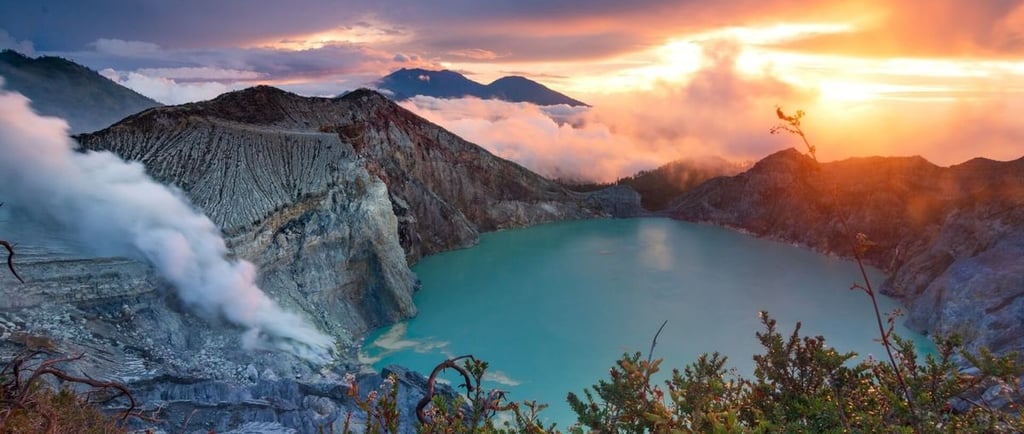
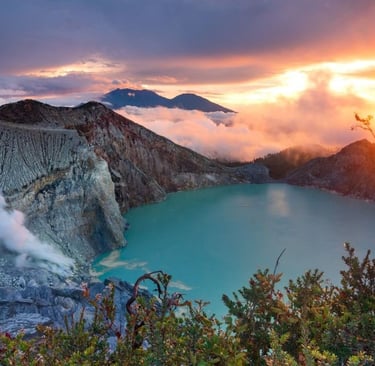
Planning a trek to Mount Ijen in East Java? Discover the magic of the Kawah Ijen blue fire, the stunning turquoise acidic lake, and the incredible sulfur miners in this ultimate travel guide.
Indonesia is famous for its fiery peaks, but nestled in the easternmost part of Java lies a volcano that feels like it belongs on another planet. Mount Ijen (Kawah Ijen) is not your typical mountain trek. It is a mesmerizing, slightly intimidating, and profoundly beautiful destination that draws adventurers from all over the globe.
If you are mapping out an itinerary for East Java volcanoes, an Ijen Crater tour is an absolute must. But what exactly makes this midnight trek so famous, and what will you gain from making the steep climb to the top? Here is everything you can expect to experience at Kawah Ijen.
1. The Phenomenon of the Kawah Ijen Blue Fire
The biggest draw for travelers visiting Ijen is something you can only see in two places on Earth: the elusive "blue flames."
What you get: You will witness electric blue fires dancing in the darkness at the base of the crater. This is not lava; it is highly pressurized sulfuric gas combusting as it meets the oxygen-rich air at temperatures up to 600°C.
The catch: To see the Kawah Ijen blue fire, you have to start your hike around 1:00 AM or 2:00 AM and make a steep, rocky descent into the crater bowl before the sun comes up. It is a challenging hike, but the surreal, glowing spectacle is an unmatched reward.
2. The World's Largest Highly Acidic Lake
As dawn breaks and the blue flames fade into the daylight, the true scale and beauty of the crater are revealed.
What you get: You will be treated to the sight of the breathtaking Ijen crater lake. Spanning one kilometer across, this stunning body of water is a vibrant, milky turquoise color. However, do not let its beauty fool you—it is the world’s largest highly acidic volcanic lake, with a pH of nearly zero. The contrast between the striking turquoise water, the yellow sulfur vents, and the jagged grey crater walls creates a masterpiece for photography.
3. The Unbelievable Resilience of the Ijen Sulfur Miners
A trip to Ijen is as much a cultural and human experience as it is a geological one. The crater is an active sulfur mine, and it is entirely manually operated.
What you get: You will cross paths with the legendary Ijen sulfur miners. These incredibly strong men hike into the toxic, smoke-filled crater to chip away blocks of solid yellow sulfur. They then carry loads weighing between 70 to 90 kilograms in bamboo baskets balanced on their shoulders back up the steep crater wall and down the mountain. Witnessing their daily grind offers a profound, humbling perspective on human endurance and hard work.
4. An Epic Mount Ijen Sunrise
Once you have explored the crater floor, you will hike back up to the rim just in time for the morning light.
What you get: A magnificent Mount Ijen sunrise. As the sun rises over the horizon, the mist clears, and the surrounding volcanic landscape of East Java—and even the neighboring island of Bali on a clear day—comes into spectacular view. The morning golden hour casting its light over the turquoise lake is a sight that will stay with you forever.
Practical Guide: How to Conquer Mount Ijen
If you are ready to pack your bags, here are a few essential tips to help you prepare for the trek:
How to get to Mount Ijen: The easiest and most popular base camp for the trek is the town of Banyuwangi (which is also just a short ferry ride from Bali). Alternatively, you can approach from the town of Bondowoso.
Essential Gear: The sulfur fumes in the crater are incredibly pungent and toxic. A high-quality gas mask is mandatory (most tour operators provide them, or you can rent them at the base). You will also need a headlamp, sturdy hiking shoes, and warm layers, as the midnight temperatures at the summit can drop close to freezing.
Physical Fitness: The hike takes about 1.5 to 2 hours of continuous, steep uphill walking before you even begin the descent into the crater. Moderate physical fitness is highly recommended.
An Ijen Crater tour is not just a walk in the park; it is a raw, challenging, and deeply rewarding expedition. From the electric blue flames to the humbling strength of the local miners, climbing Kawah Ijen is a once-in-a-lifetime adventure that will easily become the highlight of your Indonesian journey.
Into the Mystic: What to Expect on a Mount Ijen Crater Tour
Sunny Go Tour
Your Partner for The Extraordinary Tour of Indonesia
Contact Us
📍Jl. Kweni No.007, Kweni, Panggungharjo, Kec. Sewon, Kabupaten Bantul, Daerah Istimewa Yogyakarta 55188
(C) 2026 Sunny Go Tour All Rights Reserved
Our Partner :






Connect With Us :